Minnesotans have a complicated relationship with summer. We wait for it all year, and the moment it finally shows up — warm evenings, daylight until nine, fireflies starting to blink around the tree line — mosquitoes show up too. Right on schedule.
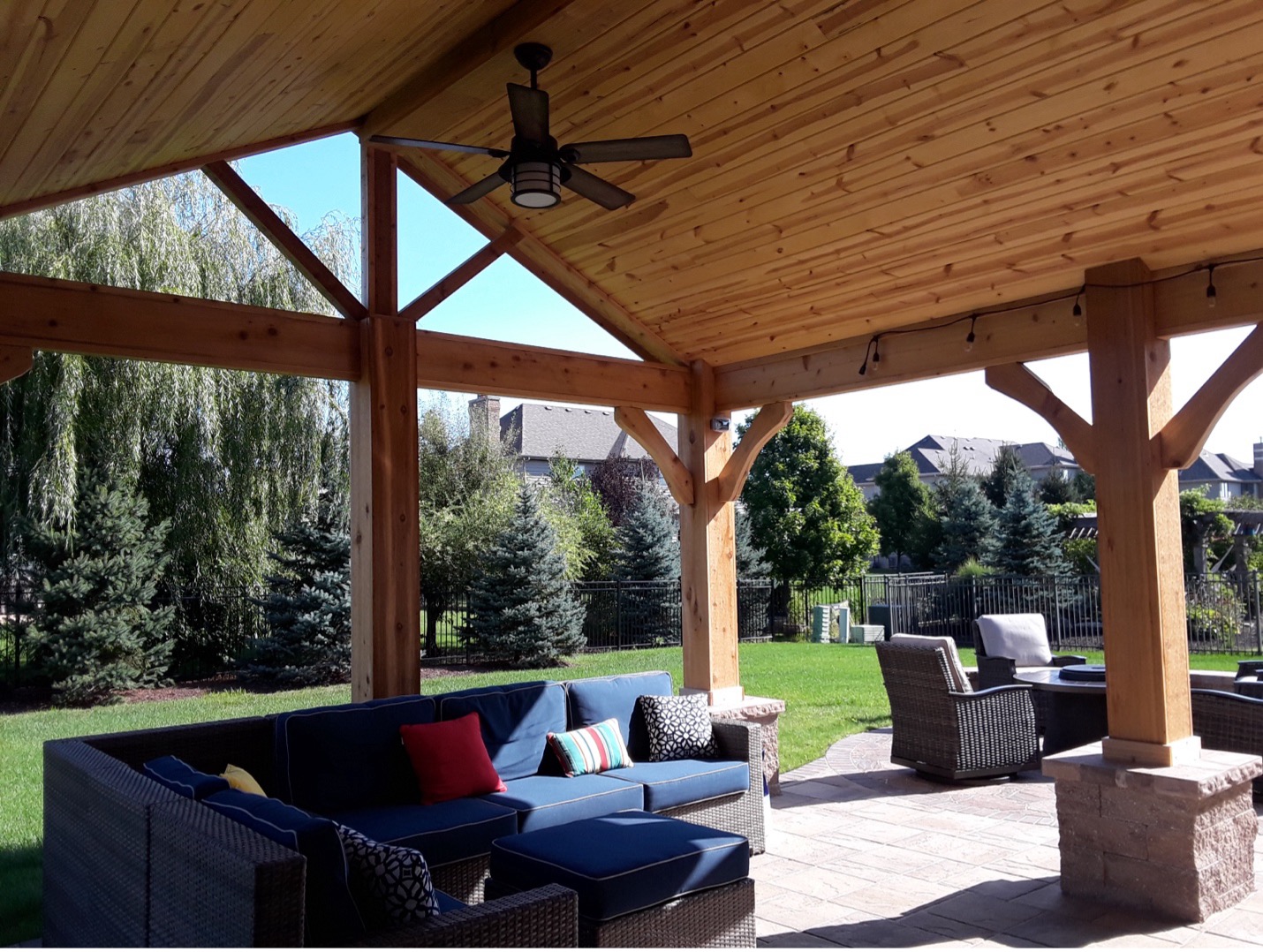
If you've been thinking about adding a porch to your home, insects are probably part of the conversation. And so is a decision most people don't think about until they're in the thick of their design consultation: covered porch or screened porch? They're not the same thing. And which one is right for your house, your yard, and the way your family lives outside are worth figuring out before you start talking to contractors.
We've had this conversation with a lot of local homeowners. Here's what we've learned…
They're Different Structures — Not Just Different Names
Let's start here, because the terms get muddled all the time.
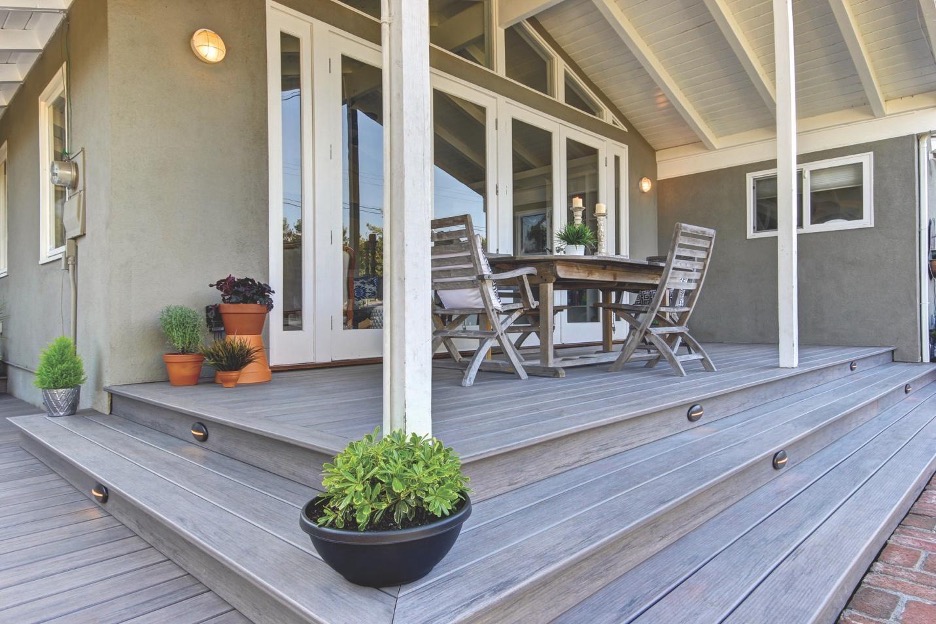
A covered porch has a roof. That's the defining feature. The sides are usually open — no enclosed walls, no screens, just air. You're sheltered from rain and direct sun, but wind and insects come right in. It's outdoor living in the truest sense. You're outside. You're just not getting rained on.
A screened porch has a roof AND mesh screening around the perimeter. The screens keep insects out while still letting in light and air. It feels open — genuinely open, not like sitting inside — but you can stay out there for hours in July without a single mosquito bite. That's the promise of a screened porch, and when it's built right, it delivers.
Both types of porches add real, usable square footage to your home. The difference is what you can do in that space, and when.
The Case for a Covered Porch
Walk through your neighborhood on a Saturday morning. Or drive down almost any street. You'll see covered porches on craftsman bungalows, cape cods, newer colonials — all kinds of homes. They look like they belong. Because they usually do.
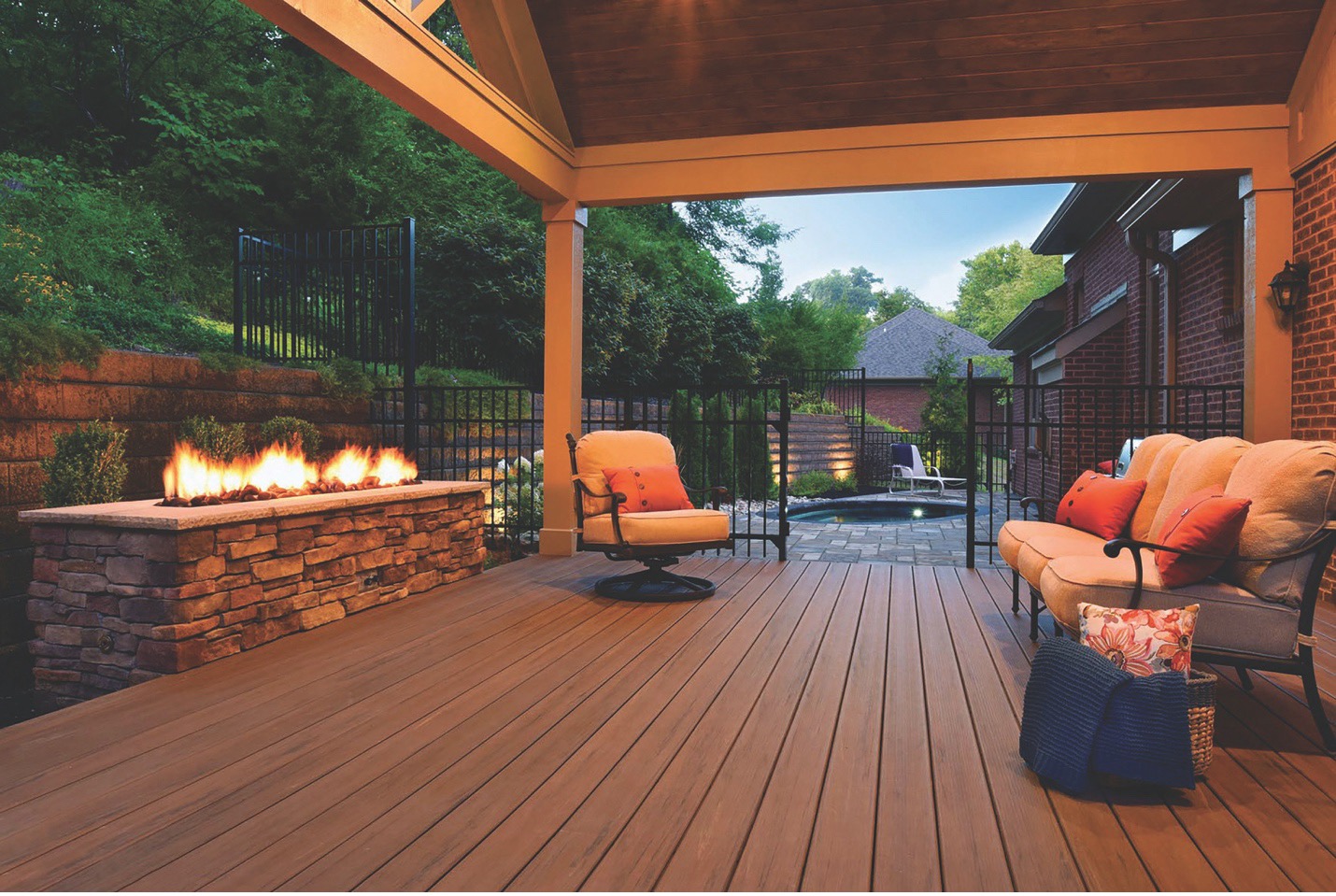
That's one of the underrated things about a covered porch: done well, it doesn't look like an add-on, or an afterthought. It looks like it was always part of the home. Especially if your roofline already hints at the space, a covered porch can tie the whole front or back of your home together in a way that feels, and looks, natural.
Practically speaking, covered porches are ideal for a myriad of uses. Morning coffee before work. Sitting outside after a rain when everything smells like wet grass and you don't want to come inside yet. Chatting with a neighbor without having to open a door. That casual, in-and-out access — no screen door to deal with, no latch to fumble with — suits a lot of people's outdoor habits really well.
They also tend to cost less to build than screened porches. The structure is simpler. Roof, posts or columns, a floor surface, railing if the height calls for it. Good materials matter, and good craftsmanship matters even more, but you're not dealing with the added framing and screening components that drive up cost on an enclosed structure.
Where a covered porch makes sense:
- Your roofline already suggests the space, and you want to lean into the architecture.
- You use your outdoor space in shorter bursts throughout the day rather than long evening stretches.
- Spring and fall are your preferred outdoor seasons — before bug season hits and after it fades.
- Curb appeal is a high priority when you want something that photographs well and adds charm.
Here's the honest truth, in the SW Metro region, covered porches are beautiful from May through mid-June and again in September. July and August, however, If you're in a wooded area, near water, or even just in a typical metro suburb with standing moisture nearby, it can be genuinely hard to sit on an open porch after about 7 p.m. The mosquitoes in this region are not polite about it.
The Case for a Screened Porch
Talk to any Minnesota homeowner who added a screened porch in the last five years and ask them how much they use it. The answer is almost always some version of "more than any other room in the house, from June to September."
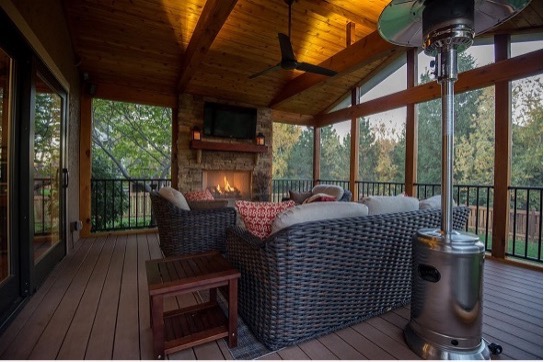
That's not an exaggeration. A well-designed screened porch becomes the center of summer life. Dinner outdoors every night. Kids doing homework in the afternoon. Evening drinks that don't have to end at dusk because the bugs showed up. The transformation that happens when you remove the mosquito variable from your outdoor experience is hard to overstate until you've lived it.
Screened porches also grow with you. People start with patio furniture and a ceiling fan. A few years in, there's an area rug, pendant lights, a little bar cart that lives out there all summer. Some families eventually enclose them further and turn them into three-season rooms. The screened porch is the starting point, and it's a flexible one.
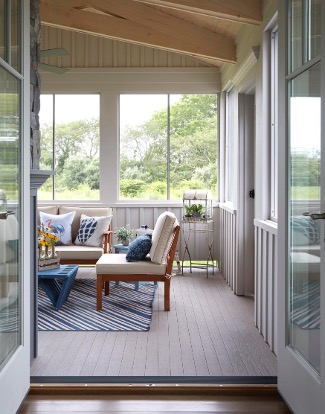
Where a screened porch makes the most sense:
- You're in a wooded area, near a pond, lake, or retention basin — anywhere insects are heavier.
- You have young kids who want to play outside without you chasing them around with bug spray.
- You want to eat meals outdoors regularly and not feel like dinner is a race against the sunset.
- You're thinking long-term and want a space that evolves with your lifestyle over the coming years.
The tradeoff is cost and construction complexity. Screened porches require more framing to properly support the screen panels, and the roof must be built with a steeper pitch in many cases to handle Minnesota snow loads correctly. The screens themselves also need to be installed right — loose or improperly framed screens won't last through our winters. You want this done by someone who has built screened porches in this specific climate, not someone who's adapted a design from a warmer part of the country.
Minnesota Summers Are Short. That Changes the Math.
Here's something worth sitting with; our comfortable outdoor season runs roughly from early May to late September. Five months, maybe a bit more in a good year. And within that window, June, July, and August — the heart of summer — overlap almost perfectly with peak mosquito season in the metro.
The SW Metro consistently ranks as one of the worst in the country for mosquitoes. That's not a fun fact. It's a practical consideration when you're deciding how much you want your outdoor space to realistically function in summer.
If your outdoor life is mostly weekend mornings in May and early June, a covered porch is probably plenty. If you want to be outside in the evenings all summer, hosting people, eating outside, letting the kids run around while you relax and enjoy conversation then screening starts to look less like a luxury and more like the thing that makes the space usable.
What About Cost and Home Value?
Both structures add value. And potential buyers notice porches. They're a draw in listings and they hold up as a selling point in most neighborhoods.
Covered porches are typically the less expensive option, but this is dependent on size and material choices. If budget is a real constraint, a covered porch lets you add outdoor living space without the full investment a screened enclosure requires.
Screened porches cost more upfront. The return, though, tends to come in usability — not just resale value. When you're calculating whether a project is worth it, factor in the hours you'll spend in the space. A porch you use every evening from June through September pays for itself in quality of life in a way that's hard to put a number on.
One thing we tell homeowners: don't build the minimum. A screened porch that's too small feels cramped and gets used less. A covered porch with cheap materials looks dated in five years. Invest in the right size and the right materials for your specific home, that pays you back over time.
Questions That Usually Help People Decide
Archadeck of Minneapolis ask a version of these in most of our initial conversations with homeowners. They tend to help cut through the noise:
How do you spend time outside right now? Quick trips in and out, or long stretches in the evening? The honest answer to that usually points directly at covered vs. screened.
Do you eat meals outside? If the answer is "we'd like to, but the bugs drive us in," screened is probably your answer. If the answer is "mostly weekend brunch when it's nice," covered is likely fine.
What's your yard situation? Heavily wooded, near water, or in a low-lying neighborhood with poor drainage? Expect heavier mosquito pressure and plan accordingly.
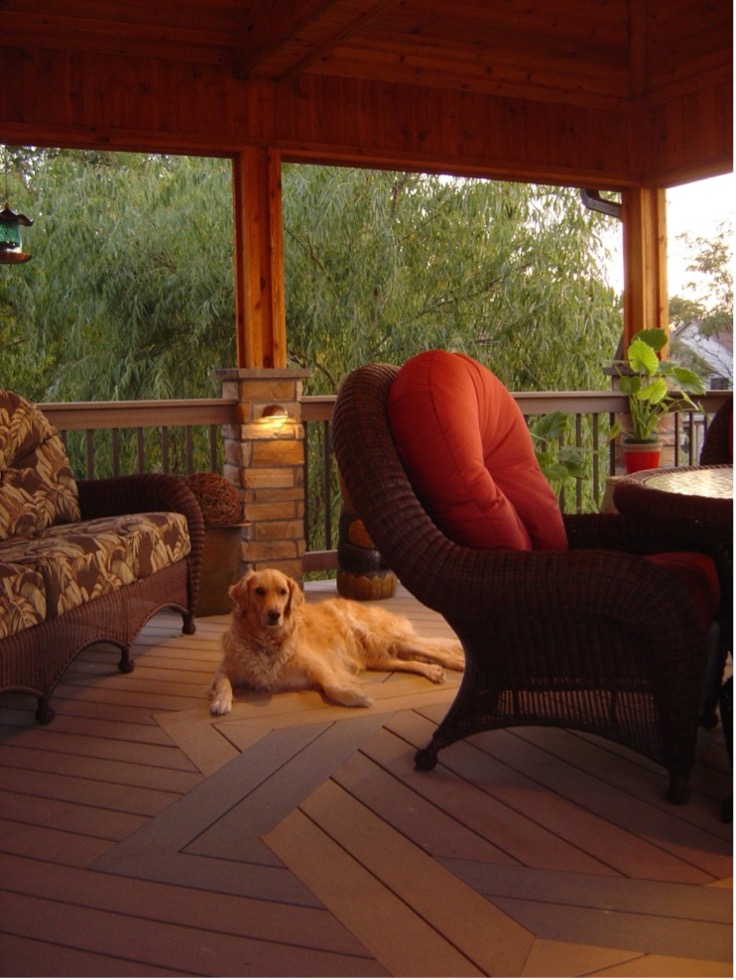
Do you have dogs? This one surprises people. Heavy in-and-out dog traffic is hard on screen doors. Not a dealbreaker, but it's worth building for it — reinforced screen doors, a good latch system, durable mesh. We've done a lot of screened porches for dog families. You just design for it.
What does the back of your house look like? Sometimes a screened porch makes architectural sense on a home and sometimes a covered porch is the cleaner fit. We'll tell you honestly which we think looks better on your specific house.
What Working With Archadeck of Minneapolis Looks Like
We hear this from homeowners constantly: they came in thinking they wanted one thing and left the consultation thinking about something different. Not because we talked them into it — but because once someone walks through how they actually live, the right answer becomes clearer.
We've built covered porches on older homes in established neighborhoods that look like they've been there since the 1940s. We've built screened porches on newer construction in Edina and Woodbury that families genuinely use as their main living space for five months of the year. Both are the right answer for the right home and the right family.
Our consultations are free. We come to you, look at your property, and talk through what makes sense structurally, aesthetically, and for how your family spends time outside. No pressure, no pre-packaged pitch.
Let's Talk About Your Porch
If you're leaning one direction or still sorting it out, give us a call at (651) 401-4636 or visit online to schedule your free design consultation.
Summer up here doesn't hang around and wait. Might as well spend it outside — comfortably.